

In February 2026, Heiman became an official Works with Home Assistant partner. This means all their devices work fully locally with Home Assistant, with no cloud dependency. Their new lineup covers both smoke and carbon monoxide detection, with UL and EN certified models for the US and EU markets.
I’ve tested and written about Heiman devices in the past, but when I saw the announcement, I reached out again to request review samples of their new Matter lineup. They shipped several smoke detectors and carbon monoxide detectors (which I will test individually), including US and EU certified Zigbee and Thread variants.
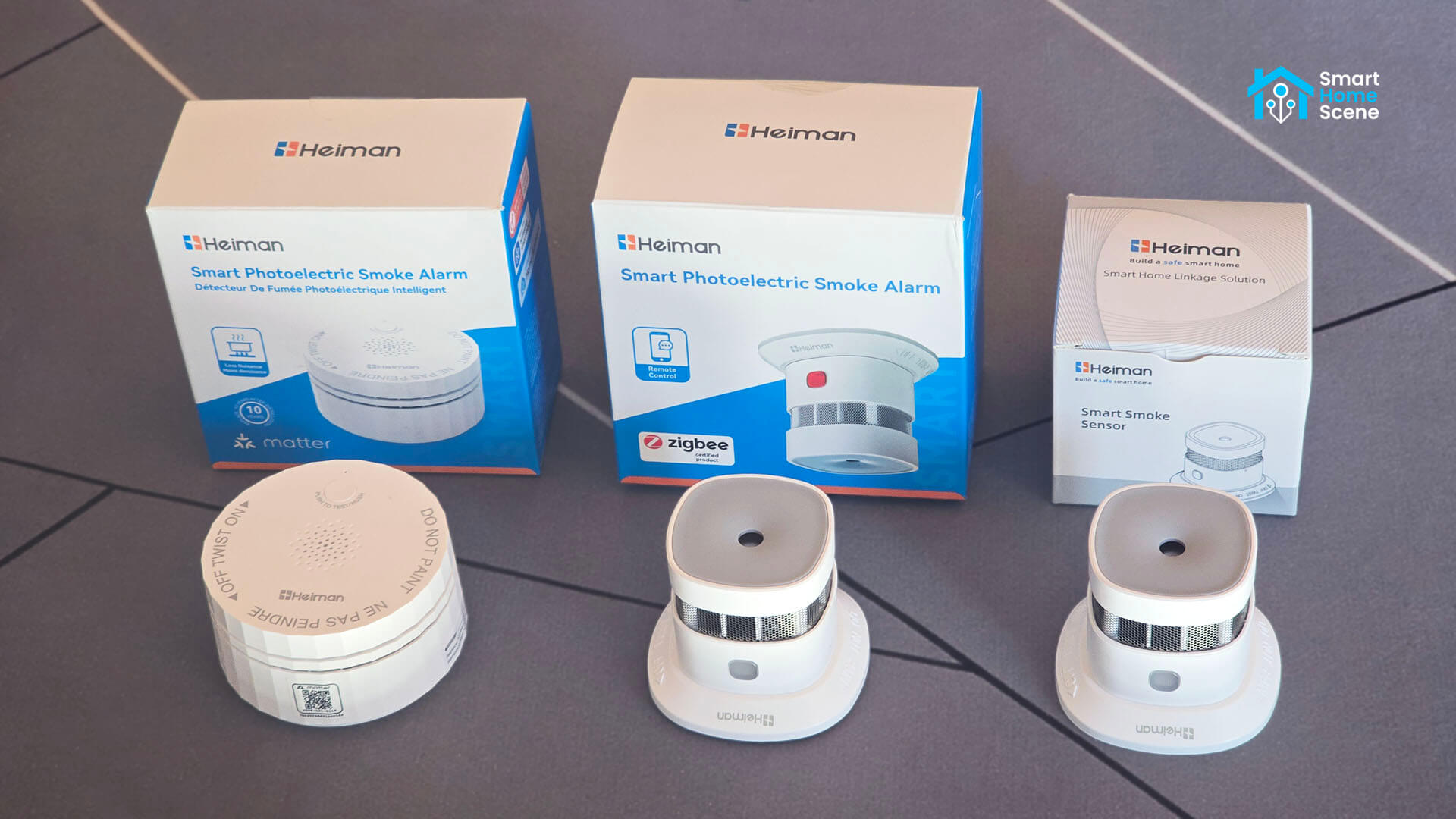
This article reviews three Heiman smart smoke detectors across two protocols and two regional certification standards: the HS1SA-E (Zigbee 3.0, EU/Global), the HS1SA-M (Matter over Thread, EU/Global), and the S1-M (Matter over Thread, US/CA). All three were sent to me directly by Heiman for testing, and all three have been paired and run in my Home Assistant setup.
HS1SA-E, HS1SA-M and S1-M Overview and Specification
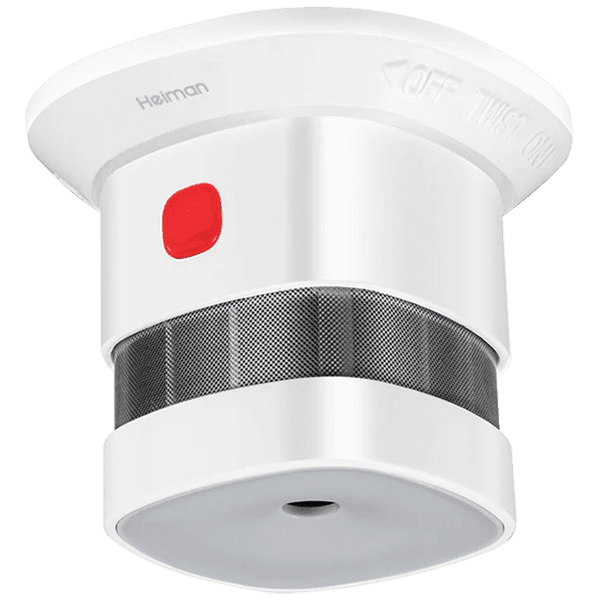
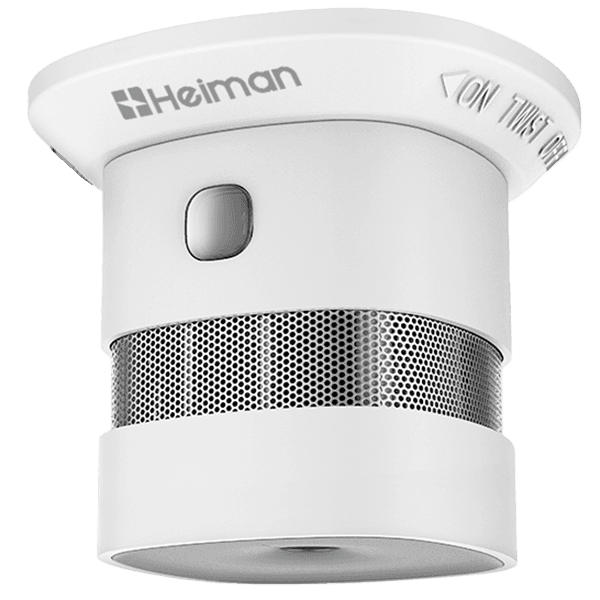
The HS1SA-E and HS1SA-M are part of the same product family and share the same compact body: 60 x 60 x 49.2mm. These are taller than they are wide, with a cylindrical top section for the smoke inlet mesh and a flat base that snaps onto a magnetic mounting bracket. This is the same Red Dot Award-winning design Heiman introduced years ago and it still holds up well.
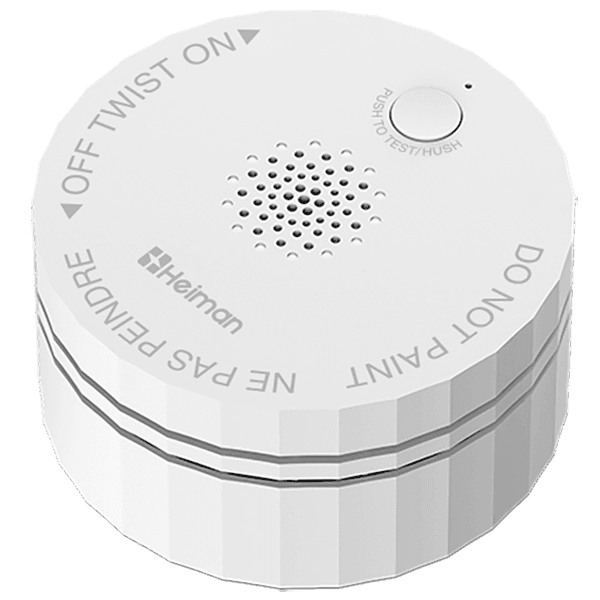
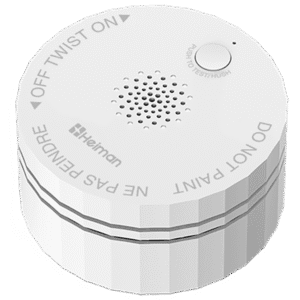
The S1-M is a different product entirely in terms of form. It is wider and flatter: 70 x 70 x 37mm, a disc with horizontal vents running around the device. It looks more like a conventional smoke detector but the compact size keeps it from being obtrusive. The S1-M also has a Red Dot Design Award and uses the same CR123A lithium battery as the HS1SA models.
The key differences across the three models are protocol, regional certification, and physical form factor:
 |  |  | |
|---|---|---|---|
| Model | HS1SA-E | HS1SA-M | S1-M |
| Protocol | Zigbee 3.0 | Matter-over-Thread | Matter-over-Thread |
| Target market | EU / Global | EU / Global | US / CA |
| Safety certification | EN 14604 / CE / TÜV / DBI / LPCB / UKCA / FCC | EN 14604 / CE / TÜV / DBI / LPCB / UKCA / FCC | UL 217 / CAN/ULC S531 / FCC / CSFM |
| Sensor type | Photoelectric | Photoelectric | Photoelectric (dual-wavelength red + IR) |
| Sensor lifespan | 10 years | 10 years | 10 years |
| Battery | 1x CR123A (3V DC) | 1x CR123A (3V DC) | 1x CR123A (3V DC) |
| Alarm volume | 85 dB at 3m | 85 dB at 3m | 85 dB at 3m |
| Alarm sensitivity | Not specified | Not specified | 1.625%/FT ± 0.625%/FT |
| Dimensions | 60 x 60 x 49.2mm | 60 x 60 x 49.2mm | 70 x 70 x 37mm |
| Operating temperature | -10°C to 55°C | -10°C to 55°C | 4.4°C to 37.8°C |
| Housing | ABS plastic | ABS plastic | UL94 V-0 ABS+PC |
| Mounting | Magnetic or screw | Magnetic or screw | Adhesive or screw |
| Works with Home Assistant | Yes (ZHA + Z2M) | Yes (via Matter) | Yes (via Matter) |
| Local control | Yes | Yes | Yes |
EN 14604 is the European standard for smoke alarms, required for sale in the EU and UK. UL 217 is the American fire safety standard for smoke alarms. The S1-M is ETL certified to UL 217 10th edition by Intertek, which is the North American equivalent of a UL listing and is accepted by most US and Canadian building codes. It also meets CAN/ULC S531, the equivalent Canadian standard.
Neither is inherently superior, but they are not interchangeable from a regulatory standpoint. If you are in the EU or UK, the HS1SA-E/M is the correct model. If you are in the US or Canada, the S1-M is the correct model. Both the HS1SA and S1-M are officially Matter-certified devices.
Hardware and Disassembly
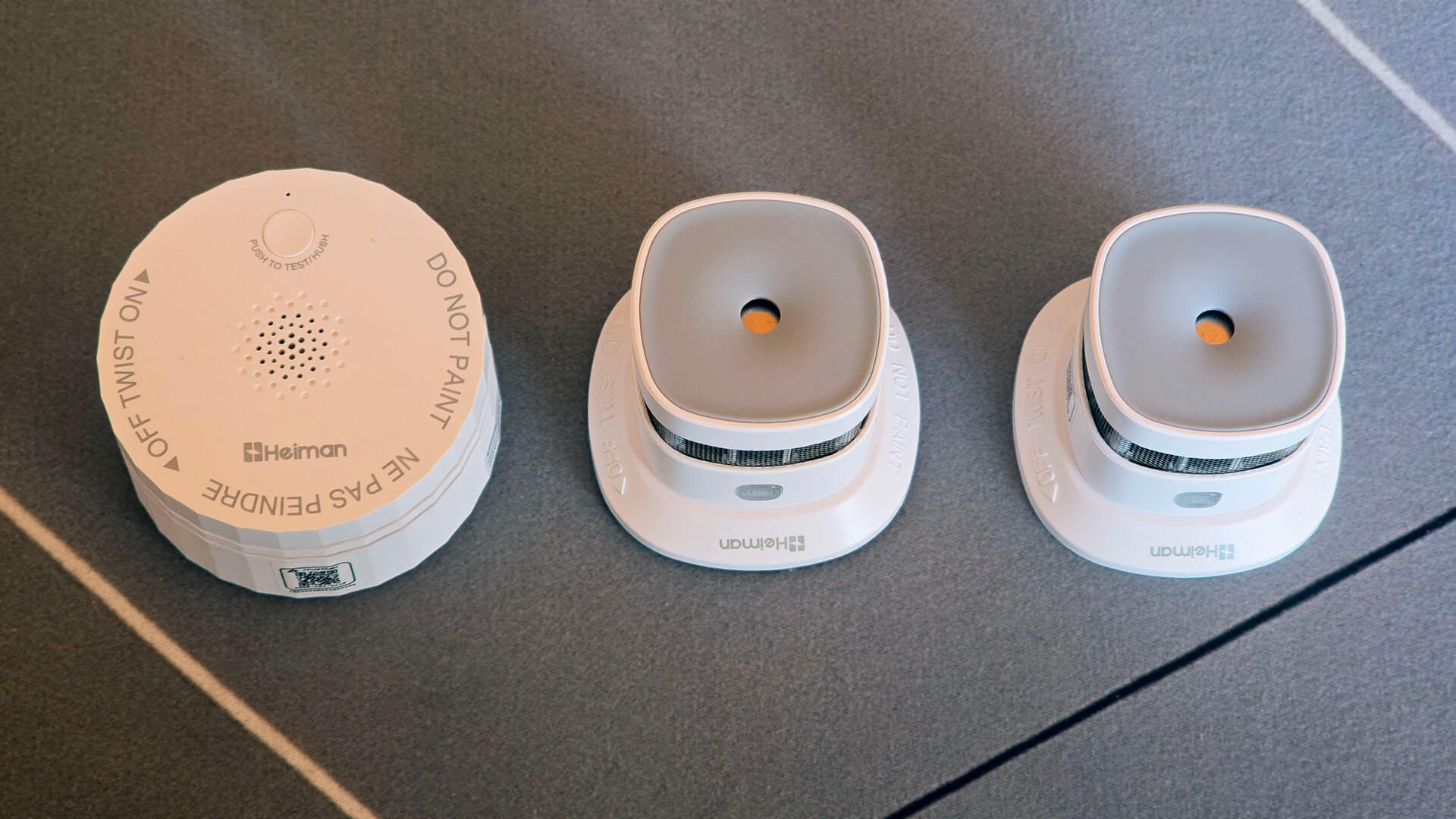
Side by side, the size difference between the two product lines is immediately obvious. The S1-M is a wide flat disc that looks like a conventional smoke detector scaled down, while the HS1SA-E and HS1SA-M are tall and narrow with a squared top for the smoke inlet. All three share the same clean white finish and Heiman branding.
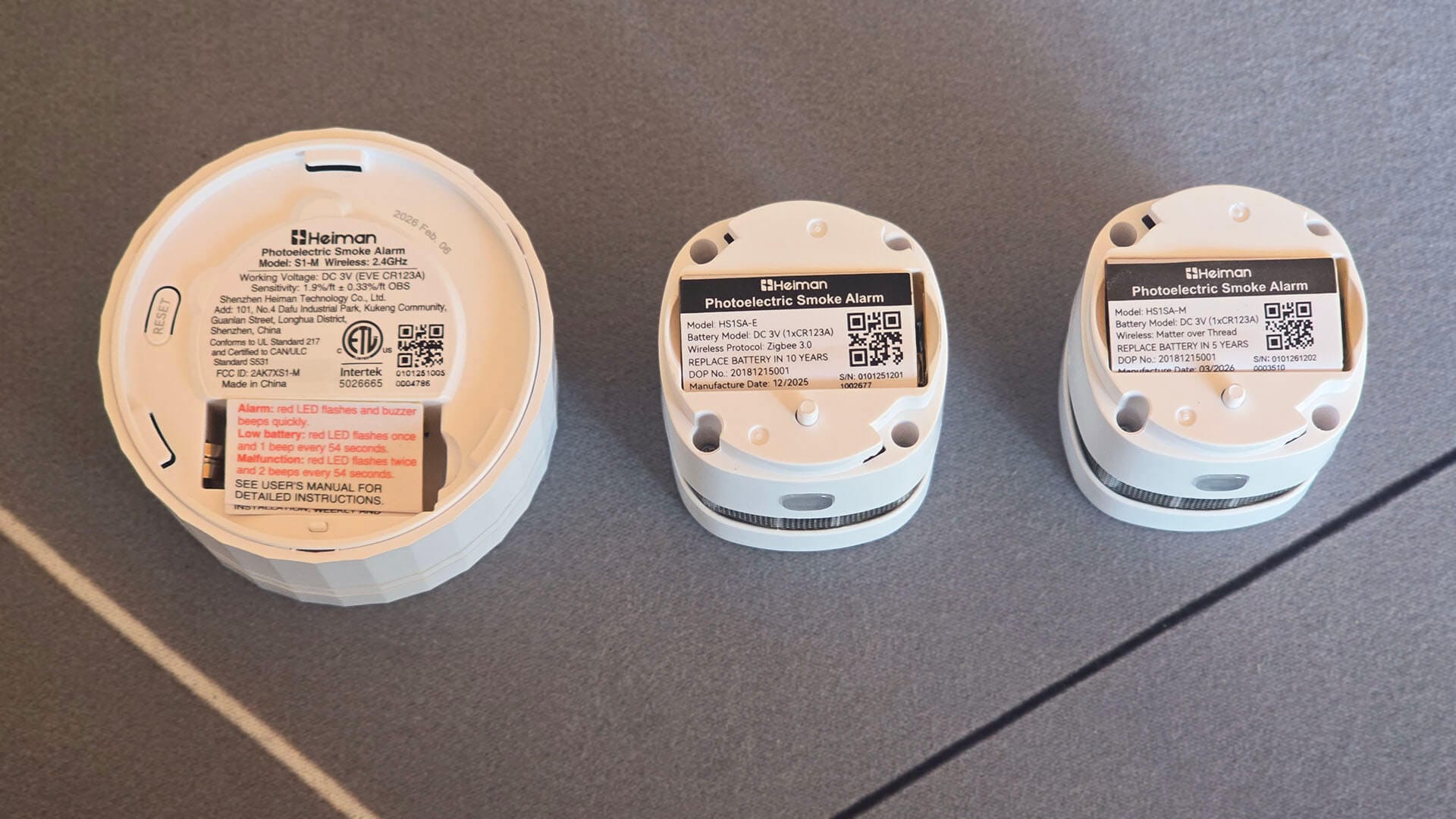
Flipping them over tells you everything you need to know about regional positioning. The S1-M label reads “Conforms to UL Standard 217 and Certified to CAN/ULC S531”, lists an FCC ID, and was manufactured in February 2026.
The HS1SA-E shows Zigbee 3.0 as the wireless protocol, a manufacturing date of December 2025, and instructs you to replace the battery in ten years. The HS1SA-M is nearly identical to the HS1SA-E on the label but lists Matter over Thread and notes a five-year battery replacement interval rather than ten. To me, this is a very interesting discovery, which means even manufacturers consider Thread to have a worse battery life compared to Zigbee.
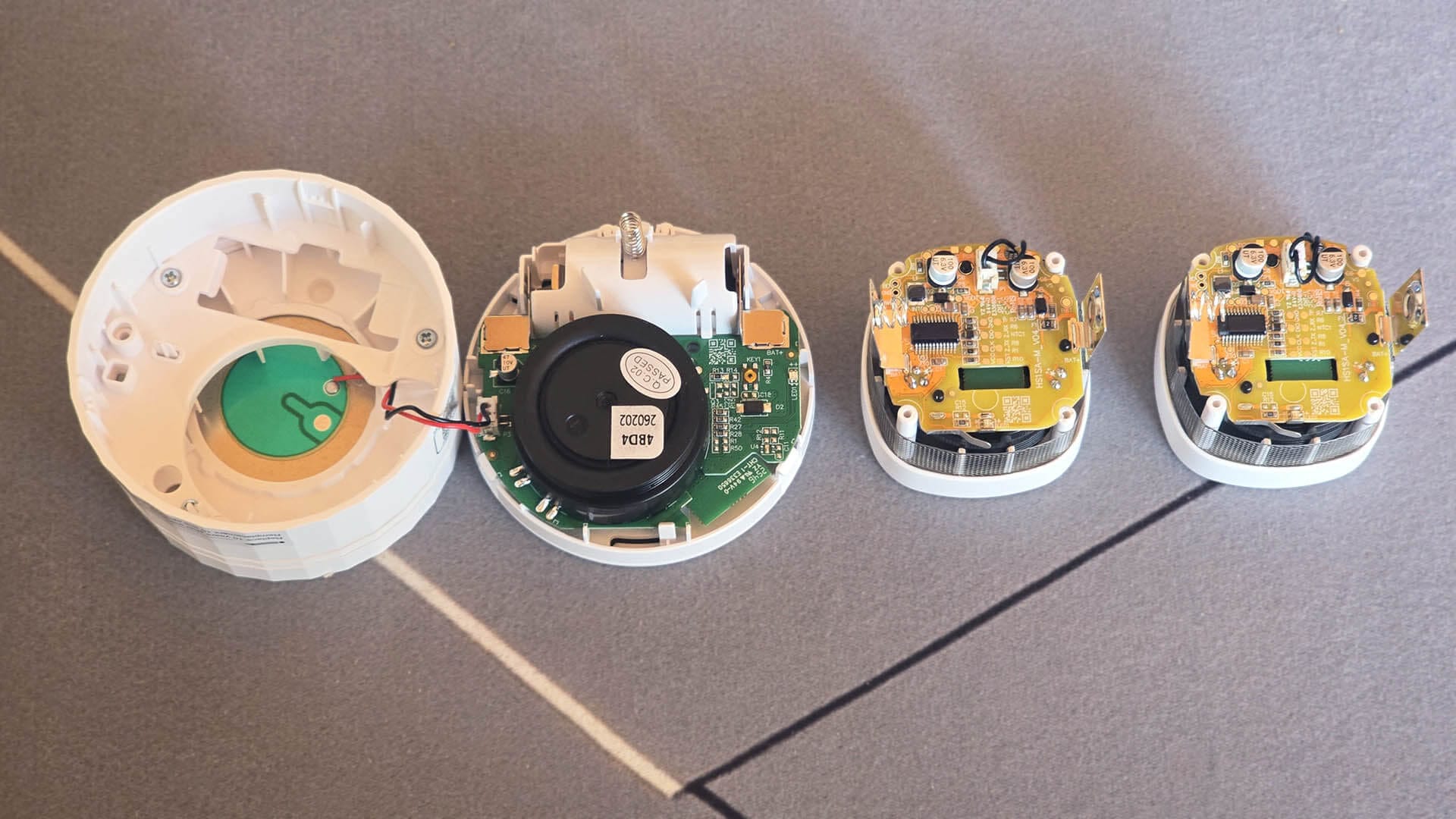
Opening them up reveals three distinct PCB designs. The S1-M uses a green PCB with a piezoelectric buzzer under the main sensor, and a separate radio module marked HMZ-24U V01 handling the Thread communication.
The HS1SA-E and HS1SA-M use yellow PCBs that are identical to each other in layout, with the smoke chamber sitting directly against the board. Both have a more compact form factor compared to the S1-M, but are taller overall.
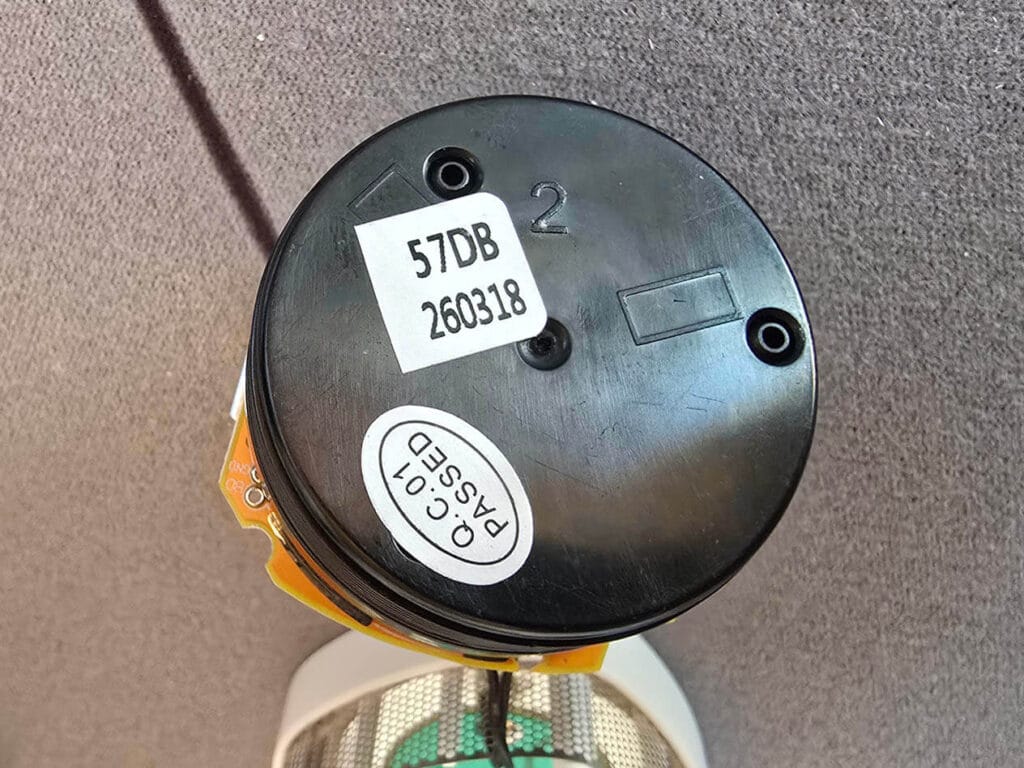
The S1-M smoke chamber has two optical ports, one for red light and one for infrared, which is how Heiman implements dual-wavelength detection. The HS1SA series has a single optical port. The 360-degree smoke inlet on the S1-M versus the top-facing one on the HS1SA body is also visible here and explains the difference in profile between the two designs.
Now, Heiman says the dual-wavelength approach improves differentiation between actual fire smoke and cooking steam or vapor. I’m not sure how I feel about this, as I’d rather my smoke alarm go off on cooking steam too. It’s better to have a false positive than a false negative when it comes to smoke detectors.
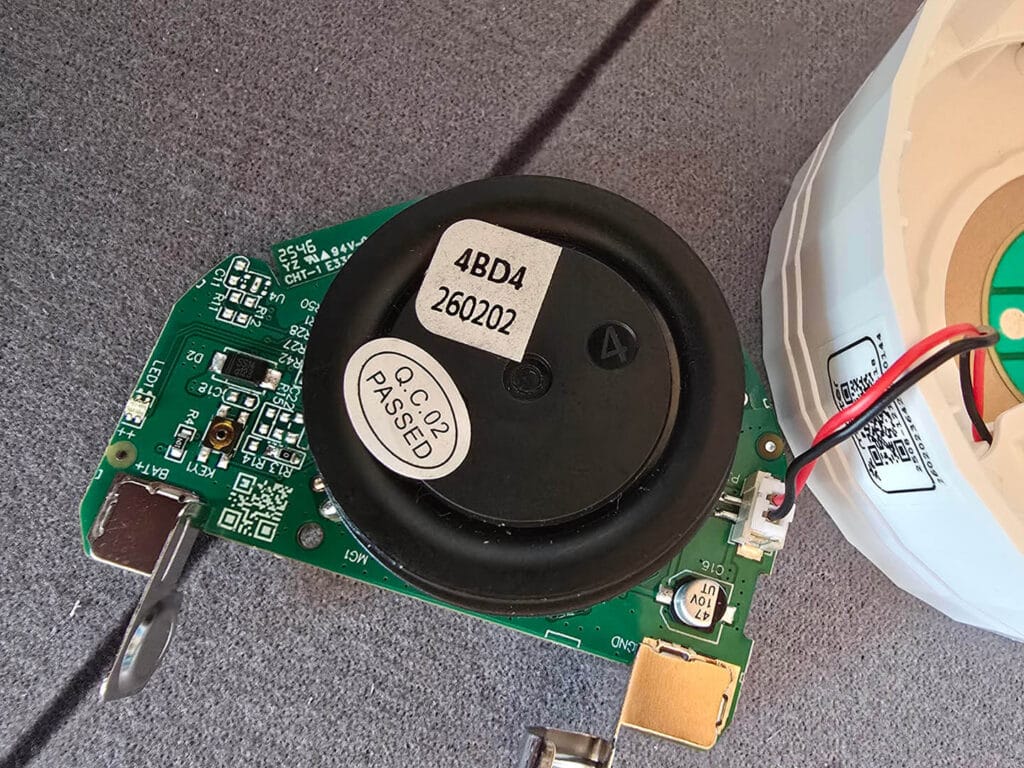
All three detectors run on the same Holtek BA45F5350, a microcontroller built specifically for smoke detection with built-in signal processing and buzzer drive circuitry. It is a well-regarded chip in this category and its use across the entire lineup means Heiman is not splitting on detection quality between the Zigbee, Matter, EU, and US variants.
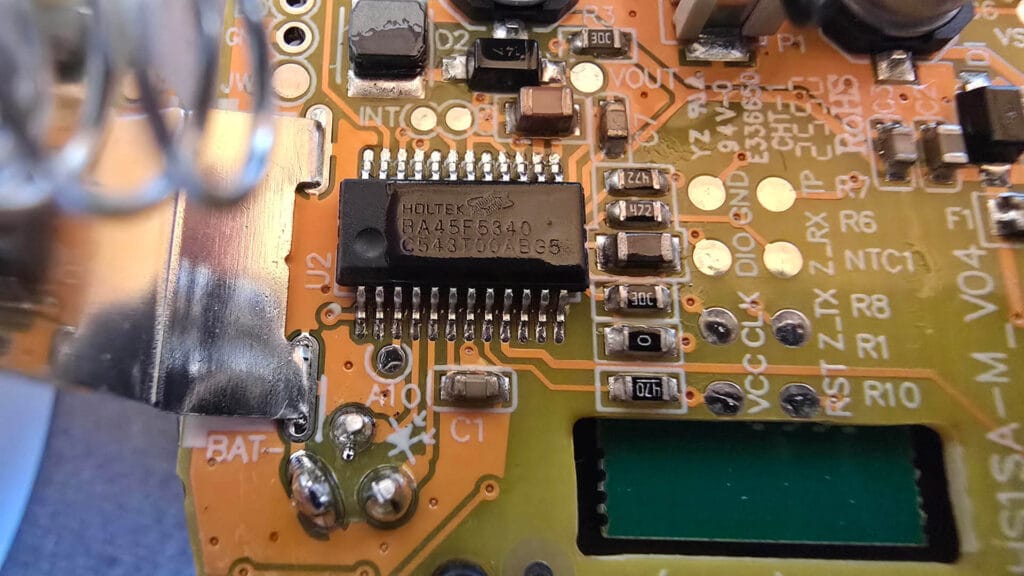
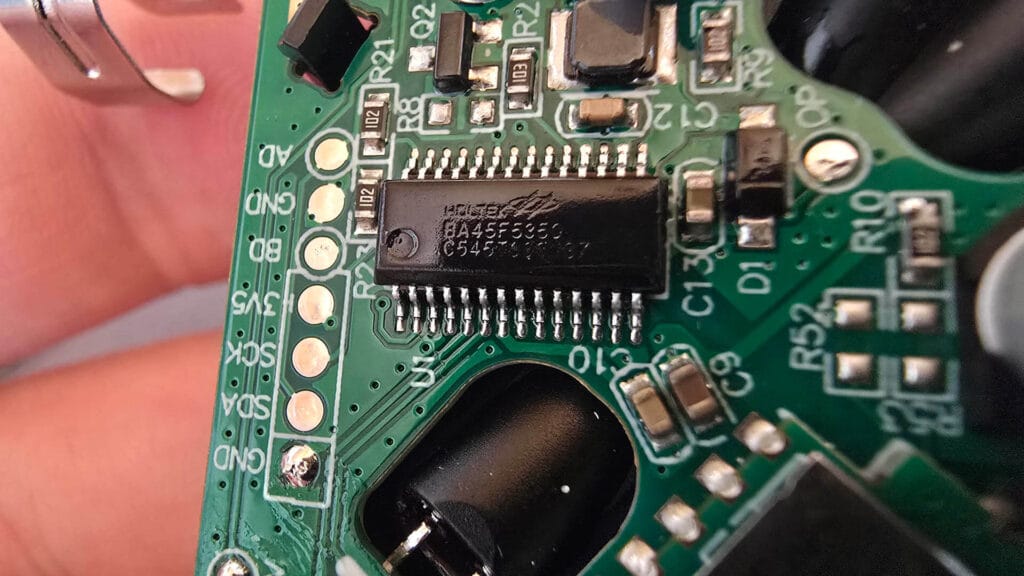
The radio modules on both the S1-M and the HS1SA series are shielded with no visible chip markings. The S1-M module is labelled HMZ-24U V01, which appears to be a Heiman-branded module. The Zigbee module on the HS1SA boards has no external label. My best guess is that both are based on a Silicon Labs EFR32MG-series SoC, which supports both Zigbee and Thread.
HS1SA-E in Home Assistant (Zigbee)
The HS1SA-E pairs with both ZHA and Zigbee2MQTT without any issues. To enter pairing mode, press and hold the button on the side of the detector for two seconds until the LED blinks rapidly. Here’s what the HS1SA-E looks like in ZHA and Z2M:
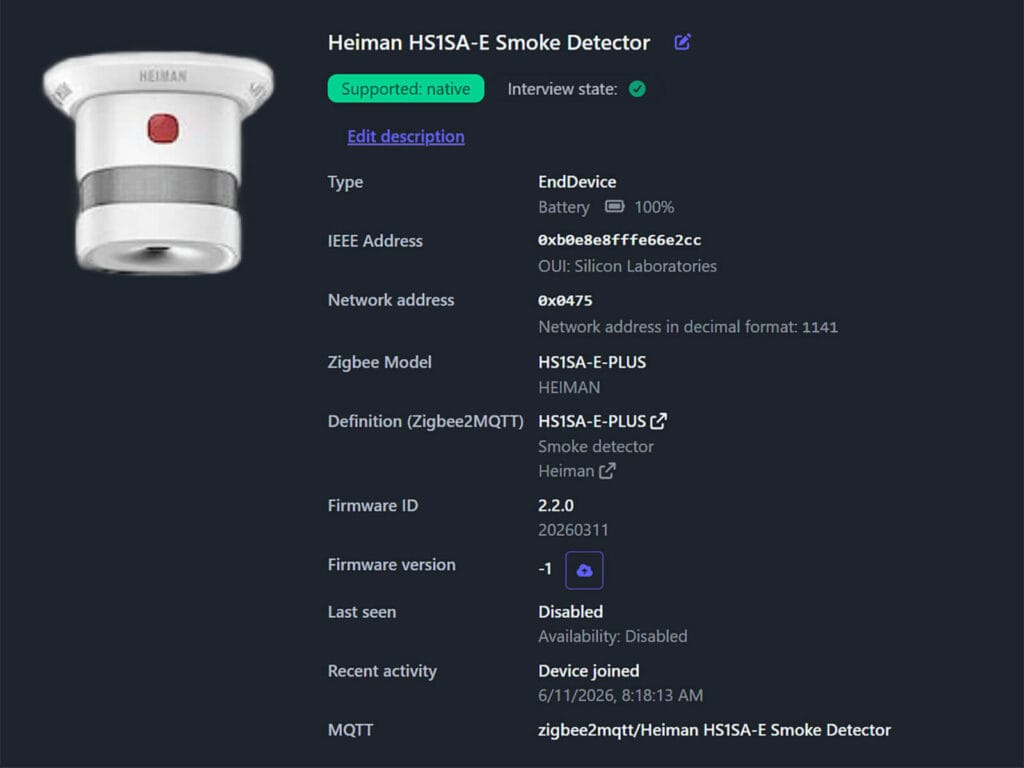
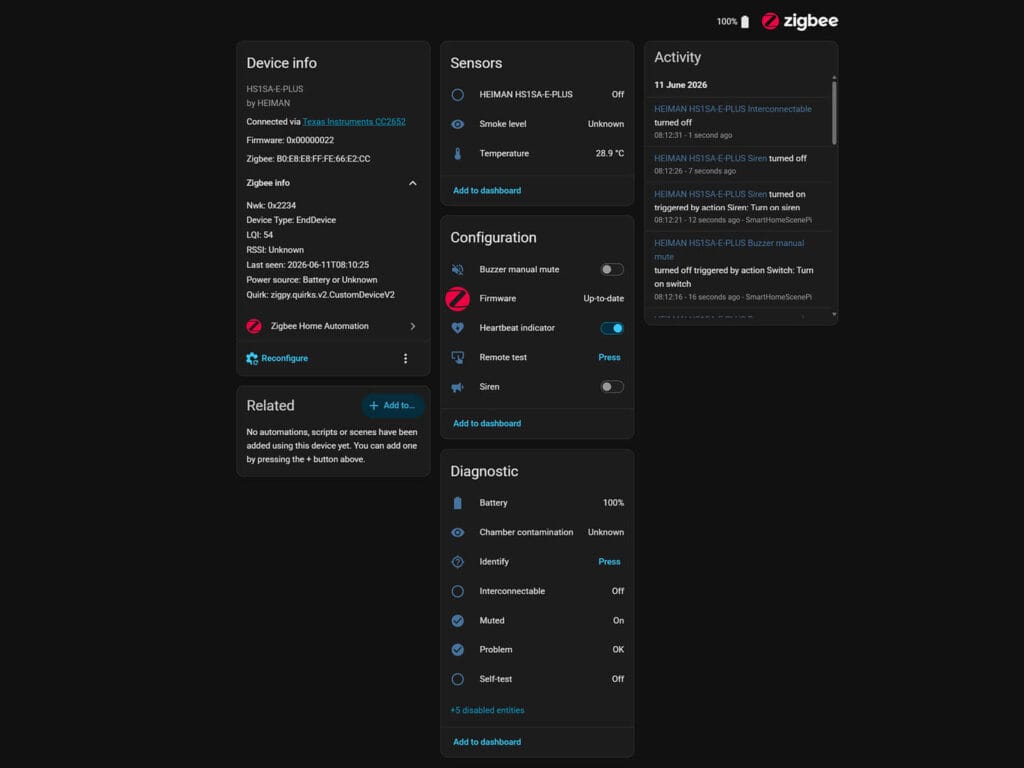
There is a custom quirk applied for this sensor in ZHA and which does expose a lot of features. Most importantly, you can remotely start or mute the alarm siren and perform a self-test. Naturally, the exposes list is even larger in Zigbee2MQTT. I paired and tested it with my SMLIGHT SLZB-Ultima 3 coordinator. It exposes the following entities:
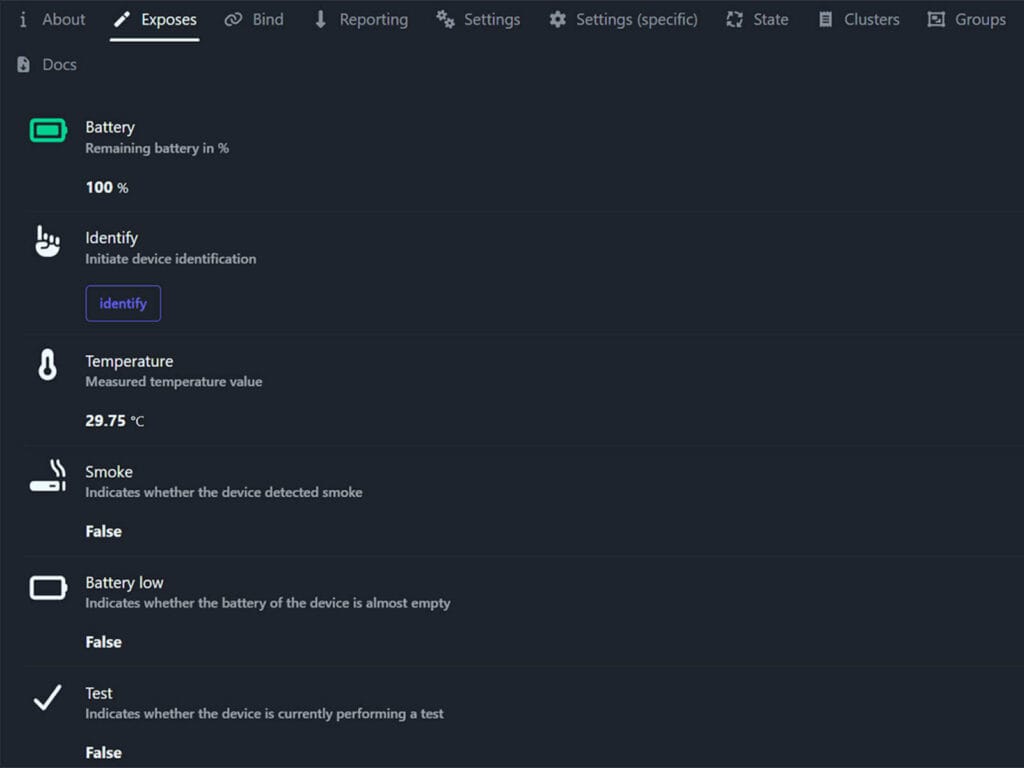
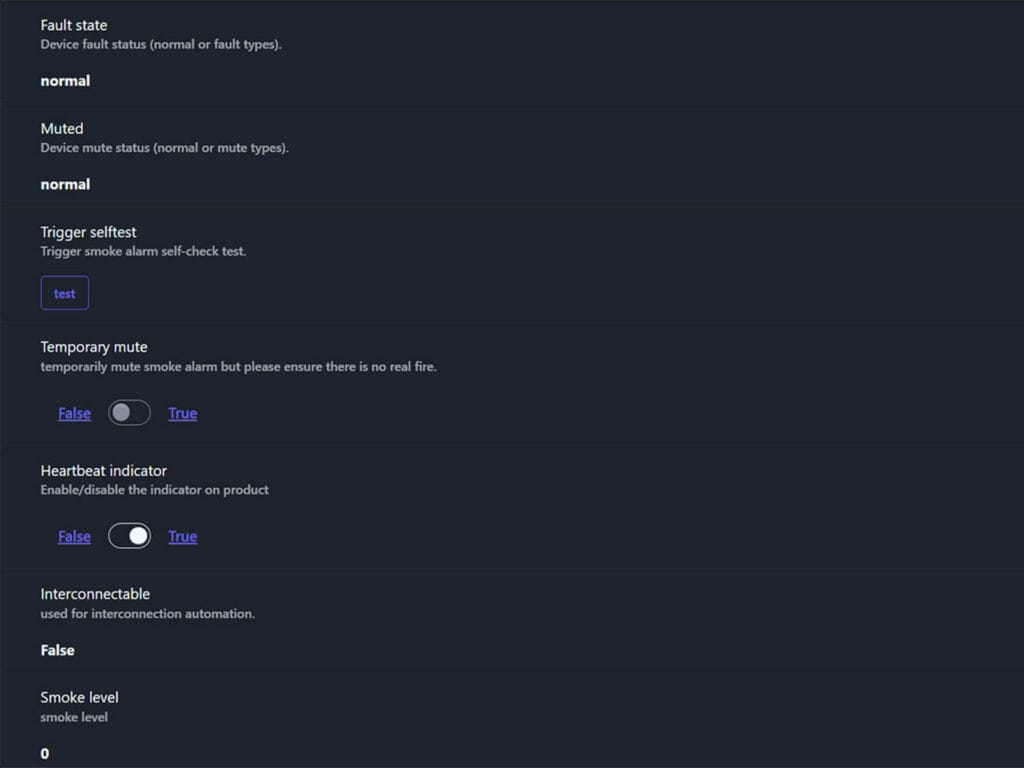
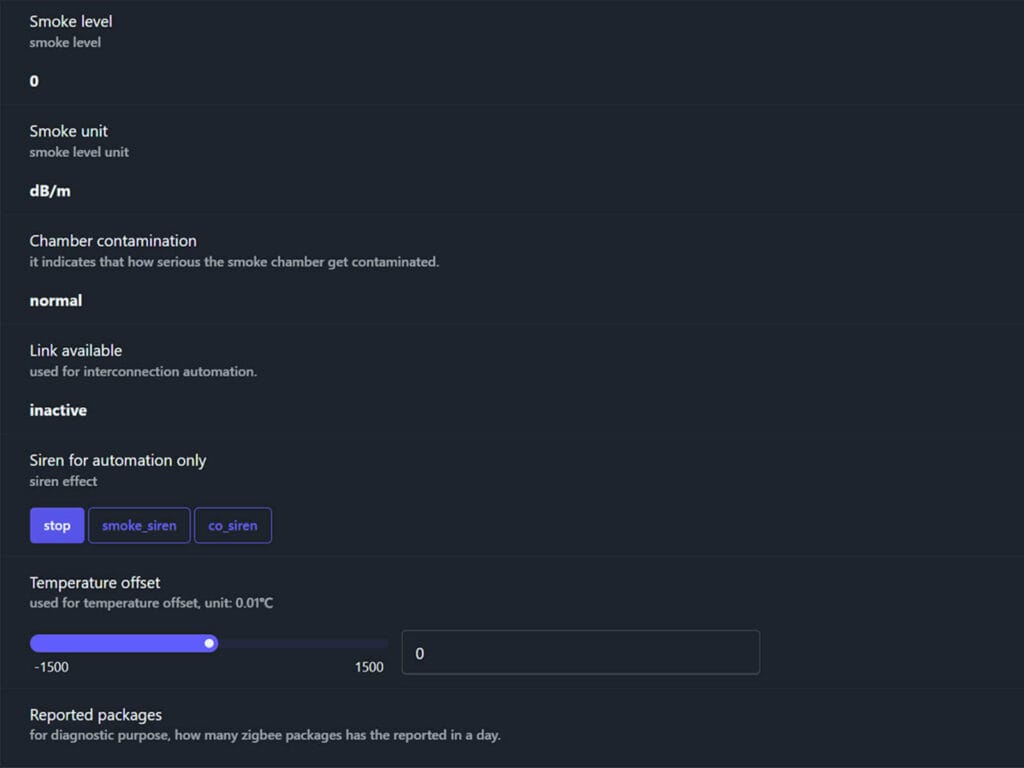
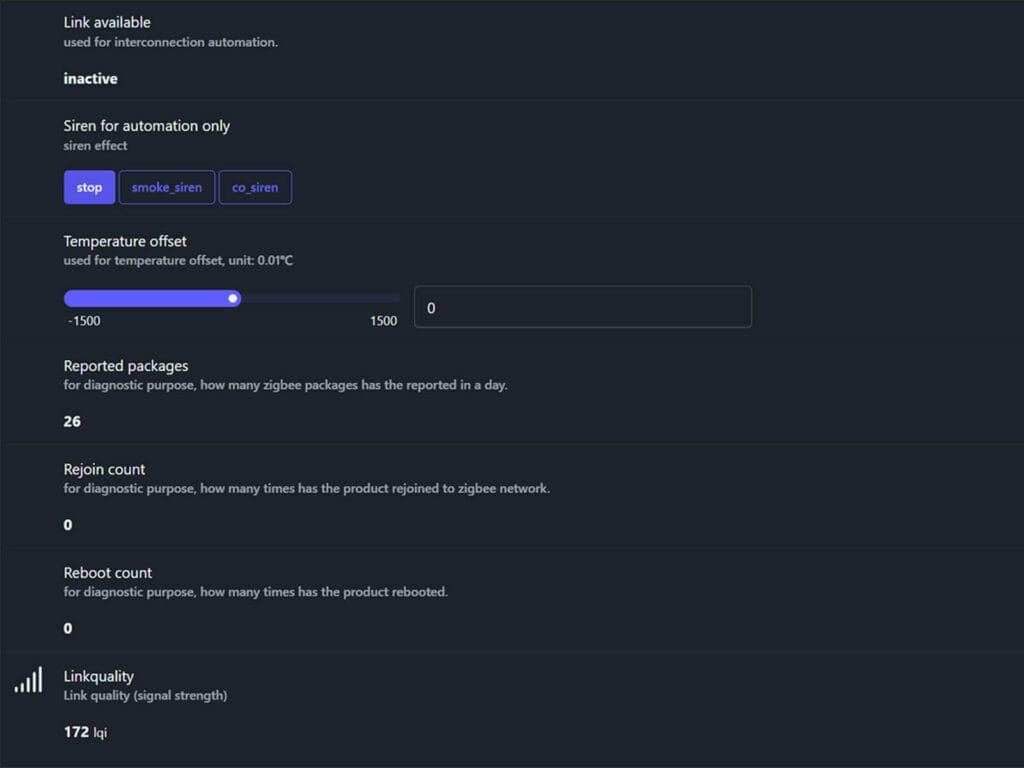
If you have a newer unit that identifies as HS1SA-E-PLUS in Z2M or ZHA out of the box, you get additional controls including remote mute and remote self-test. These were added via OTA firmware update in early 2026. If your unit still shows as HS1SA-E, apply the OTA update available through Z2M and it will update the model identifier and unlock the additional entities.
As a Zigbee end device, the HS1SA-E does not route traffic through your mesh. Place it within range of a Zigbee router, not just the coordinator, for reliable connectivity. If you are new to Zigbee mesh planning, I highly suggest you read my guide for building a stable and robust Zigbee network in Home Assistant. For coordinator recommendations if you are setting up a new Zigbee network, see the best Zigbee coordinators for Home Assistant.
HS1SA-M in Home Assistant (Matter)
To pair the Heiman HS1SA-M via Matter, go to Settings, Devices and Services, and add a new integration. Select Matter and follow the onscreen prompts. When asked to scan the QR code, use the code printed on the back of the detector or on the inside of the packaging. The detector will join your Thread network and appear in Home Assistant within about 60 seconds.
The HS1SA-M exposes the following entities in Home Assistant:
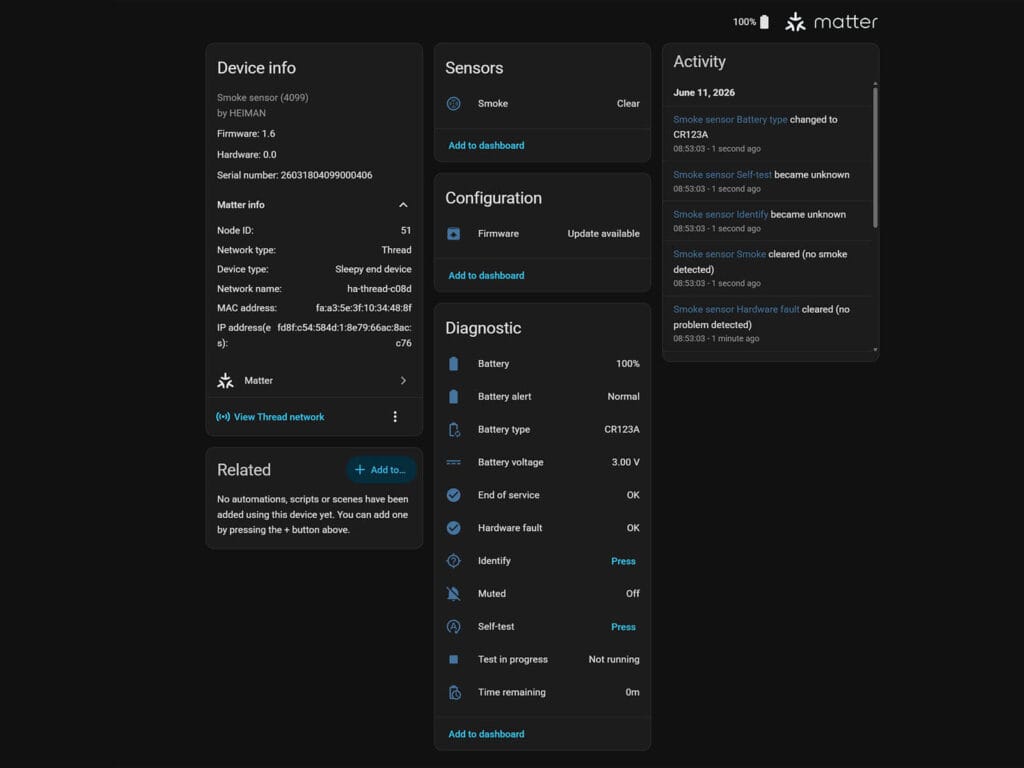
- Smoke (sensor)
- Battery (%)
- Battery alert
- Battery type
- Battery voltage
- End of service
- Hardware fault
- Identify
- Muted
- Self-test
- Test in progress
- Time remaining
- Firmware
Matter devices communicate locally with no cloud dependency. If your internet connection drops, the detector continues to function as a standalone alarm and Home Assistant continues to receive state updates as long as your local network is up.
S1-M in Home Assistant (Matter)
The S1-M pairs identically to the HS1SA-M. Same Matter-over-Thread process, same QR code pairing flow, same Thread border router requirement. The pairing experience is the same between both Matter models.
In Home Assistant the S1-M exposes the same entities as the HS1SA-M:
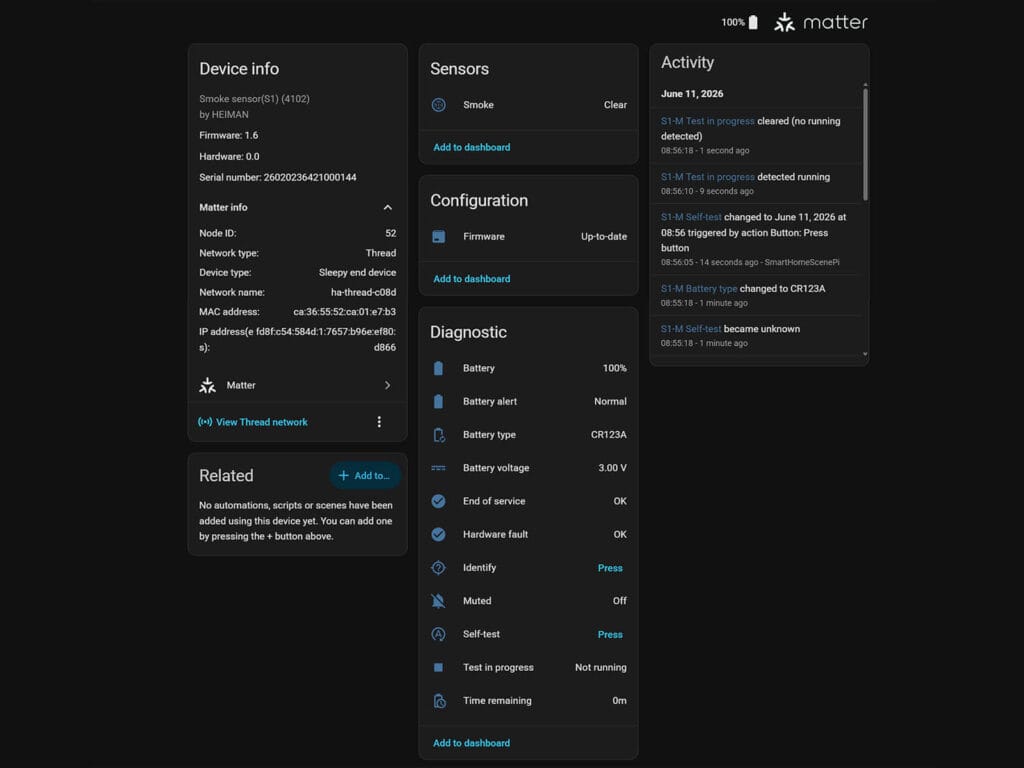
- Smoke (sensor)
- Battery (%)
- Battery alert
- Battery type
- Battery voltage
- End of service
- Hardware fault
- Identify
- Muted
- Self-test
- Test in progress
- Time remaining
- Firmware
The S1-M is the model to choose if you are in the US or Canada and want a certified, locally controlled smoke detector that works natively with Home Assistant, Apple Home, Google Home, and Alexa without any vendor hub or cloud account.
Real-world Testing
I installed all three detectors in my office, above the front door, to test the sensors under the same conditions. The 3M adhesive sticker included with each unit is strong enough that screws are not necessary for a solid installation.
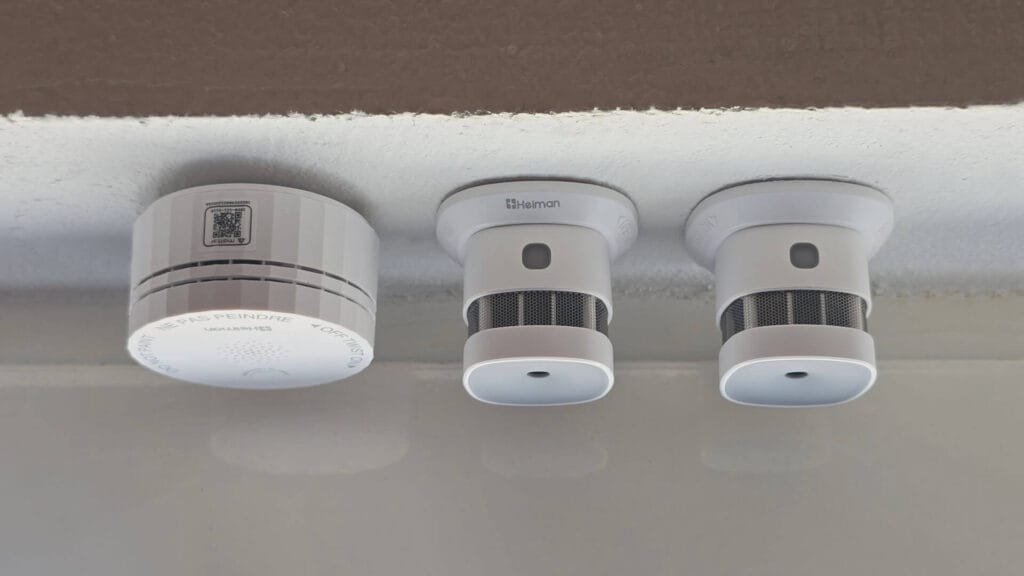
I used cigarette smoke to test how each sensor responds in real time. I found that the dual-wavelength S1-M performed identically to the HS1SA-E and HS1SA-M. No meaningful difference in sensitivity or response between the single HS1SA and dual-wavelength S1-M under this test. How the dual-wavelength approach performs across different types of smoke and particulates I cannot say for certain, though as I mentioned earlier, I would rather have a false positive than a false negative from a smoke detector.
All three sensors are quite sensitive. If you install any of them close to the kitchen, bacon cooking on the stove is a realistic trigger. That is why I think placement matters more than the sensor technology here.
Response time in both Zigbee and Matter over Thread was immediate across all three. I was not able to benchmark a meaningful difference between the two in practice. I run a well-established Zigbee mesh and a reasonably robust Thread network, and even though I am less confident in the Thread side, all three detectors reported smoke state changes to Home Assistant at the same speed.
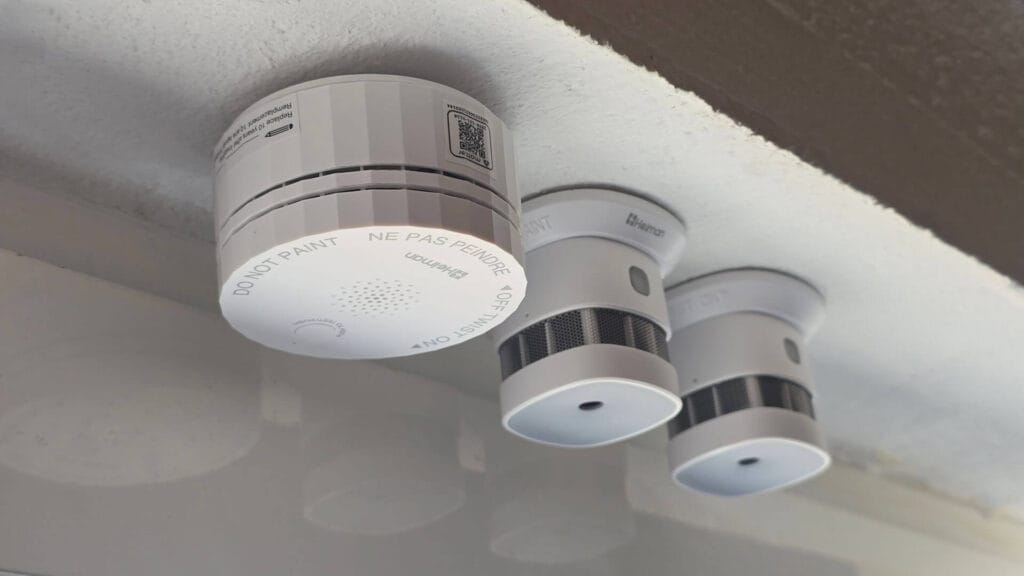
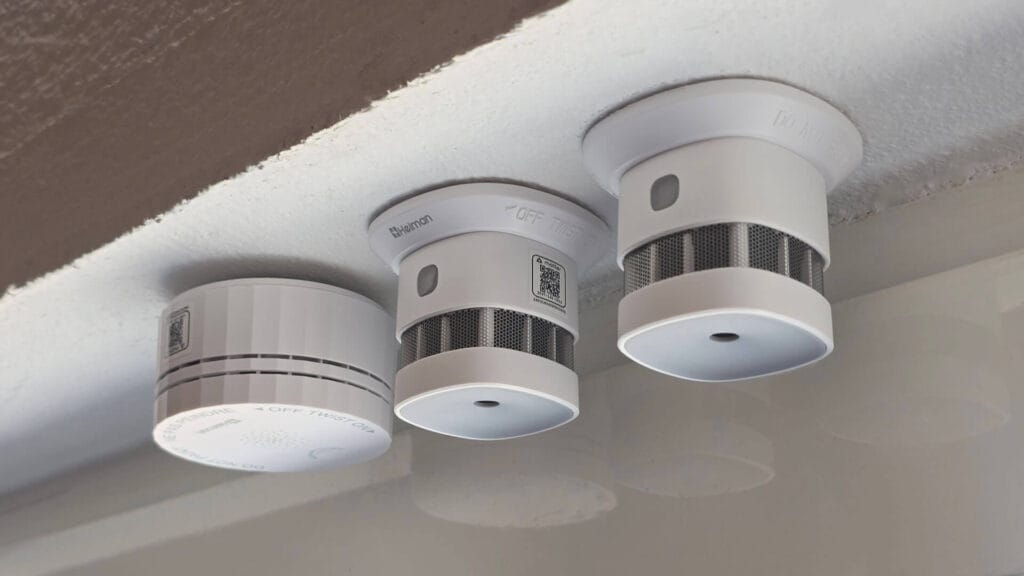
The siren volume is equally loud across all three models. Testing them on a workbench and accidentally pressing the test button is an unpleasant experience at close range, but the sound itself is exactly what you expect from a smoke alarm. It is recognizable, sharp, and annoying. The siren can be remotely silenced from Home Assistant on all three models once it triggers, which is a useful feature if you set off the alarm cooking and do not want to climb on a chair to press the button.
Battery Life and Maintenance
All three detectors run on a single CR123A lithium battery. In always-sleeping Zigbee and Thread end devices like these, I expect the battery to last between three and five years depending on how often the device communicates. I have not had these long enough to report on long-term battery drain, but I will update this review with observations over time.
The detector reports battery percentage as an entity in Home Assistant for all three models, so you can set up a low battery notification automation to alert you before the battery is critically low. A basic example automation for this is covered in the Home Assistant automations for beginners guide.
The sensor lifespan across all three models is rated at ten years, after which Heiman recommends replacing the entire unit. This is standard practice for photoelectric smoke detectors and aligns with fire safety guidance in most regions. The CR123A battery is commonly available at most electronics stores, so battery replacement is straightforward.
There is no cleaning required beyond an occasional gentle wipe of the exterior to prevent dust buildup around the smoke inlet vents. Do not use cleaning sprays or compressed air directly into the detector. The S1-M also has a “DO NOT PAINT” warning across the front, which should be obvious anyway.
Which Model Should You Buy
If you are already running a solidified Zigbee network in Home Assistant, the choice is pretty obvious: HS1SA-E. It integrates cleanly with both ZHA and Zigbee2MQTT, exposes more granular entities than the HS1SA-M, and does not require a Thread border router. You can also expose it as a Matter device to third-party Matter controllers from Home Assistant if you wish.
If you are in the EU or UK and want Matter over Thread with full multi-ecosystem support, the HS1SA-M is the correct model. It is EN 14604 certified, compact, and pairs natively with Home Assistant without any additional apps or accounts.
If you are in the US or Canada and want the same Matter over Thread benefits, the S1-M is the model to choose. It meets UL 217 and CAN/ULC S531, uses a dual-wavelength sensor, and has a wider flatter profile that suits standard ceiling boxes. It is a different product from the HS1SA line, not just a regional variant of it. If you prefer Zigbee, you can also go for the HS1SA-E, even if you are in the USA, just remember that it is not officially UL-certified.
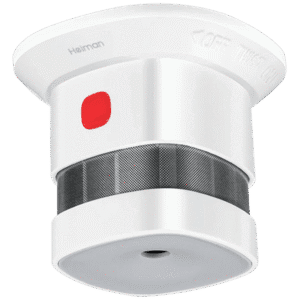
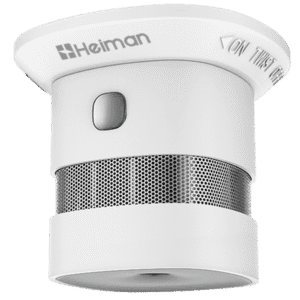
All three models function as standalone alarms regardless of whether your home network or Home Assistant is online. The smart features are an addition, not a dependency. That matters for a safety device, and I appreciate the fact Heiman decided to develop them this way. Here’s where you can get all three:
Additional links:
If you are comparing these against other Matter smoke detectors on the market, the Sensereo MS-1 review covers another well-regarded Matter over Thread option worth considering.





My three Heiman HS1SA-E does not expose the same entities, only the following:
Smoke
Battery low
Battery
Test
Linkquality
Why can it be? It seems to there isn’t an official OTA support from z2m
You can try to update it manually via OTA.
Can you send the automatic generated definition and current firmware ver here?
I have similar issue, my units are HS1SA-1, and no option for ota. Firmware just shows as “unknown” in z2m.
Reviewed here is the new H1SA-E-Plus (see screenshots), released this year. Probably replaced the old model.
These Smoke Detectors still don’t support interlinking until now? Meaning if one detects smoke and sounds it’s alarm, it broadcasts a signal for other detectors and sirens to sound their alarm too. Without the need of a hub or middleman like home assistant. That way the alert works if your wifi/network goes down, your HA decides to go down, or even a blackout. It also minimizes latency which matters in saving nearby lives.
It should be doable with zigbee binding. And before you say it’s a waste of battery life since they cannot sleep in order to listen for the signals, they are already listening for commands over your ZigBee coordinator from your home assistant to remotely sound the siren and running self tests.
Interlinking is great, until one of your detectors develops a fault…
I had a nightmare with the FireAngel interlinked ones. One of them developed a fault, it would sound a single chirp at completely random intervals.
Sometimes the interval between this happening would be a couple hours, but more often it was weeks. And it could be any time of the day or night.
When the random chirp happened, all the other seven interlinked detectors would give the same chirp over the next couple of seconds. This was enough to wake me when it happened.
It look me about a year to finally track down which detector was the faulty one. FireAngel replaced it (they were all only two years into their ten year life).
A few months later it started again. I was quicker tracking down the faulty one this time, only took six months.
FireAngel clearly knew of the problem, they replaced the second one with zero pushback at all.
Yet again, a few months later, another one failed the same way. At which point I gave up and replaced them all (ironically with FireAngel’s non interlinked ones).
Not that I’m suggesting that is likely to happen with these, but sometimes simple is better..
Does it have a blinking status LED?
Yes, and you can adjust its behaviour (off/blinking once 5 sec)
nterlinking is great, until one of your detectors develops a fault…
I had a nightmare with the FireAngel interlinked ones. One of them developed a fault, it would sound a single chirp at completely random intervals.
Sometimes the interval between this happening would be a couple hours, but more often it was weeks. And it could be any time of the day or night.
When the random chirp happened, all the other seven interlinked detectors would give the same chirp over the next couple of seconds. This was enough to wake me when it happened.
It look me about a year to finally track down which detector was the faulty one. FireAngel replaced it (they were all only two years into their ten year life).
A few months later it started again. I was quicker tracking down the faulty one this time, only took six months.
FireAngel clearly knew of the problem, they replaced the second one with zero pushback at all.
Yet again, a few months later, another one failed the same way. At which point I gave up and replaced them all (ironically with FireAngel’s non interlinked ones).
Not that I’m suggesting that is likely to happen with these, but sometimes simple is better..
Nice article! I just miss a word about the price.
90 € for three smoke detectors is quite expensive tbh.
I have round about 20 Smoke detectors in my entire House.
Replacing my current “dumb” smoke detectors with the ZigBee ones would cost me over 600€.
Where did you place your smart smoke detectors? everywhere or just in specific rooms?
Can you make a general recommendation?
Fyi, the Amazon link for the S1-M doesn’t currently work, and I can’t find another source anywhere. Anyone else on the US that has any reliable way to get them?
Never mind. Amazon link is fixed/re-stocked.
weet iemand wat de schroefafstand is van de HS1SA-E/M vermits wij onze oude willen vervangen en geen nieuwe gaten willen boren..